Scania & Volvo Lorry Stickers: How Body Shape Changes Your Artwork
The same artwork can look perfect on one lorry and wrong on the one parked beside it. The difference is not the design — it is the surface. Here is how cab shape and body type change the layout of your lorry stickers.

Why the same artwork looks right on one lorry and wrong on the one beside it
Contents
- Truck model is not about the badge — it is about the surface
- The prime mover cab: doors, apron and deflector
- What we usually see on a Scania cab
- What we usually see on a Volvo cab
- Three body types, three different approaches
- The photos we need before designing
- Material and installation
- Cost
- Get a quote
- Closing
- FAQ
Truck Model Is Not About the Badge — It Is About the Surface
When customers ask us about Scania lorry stickers or Volvo lorry stickers, the real question is rarely about the badge. The real question is: how much flat area does my lorry actually have, and where is it? 🚚
Vinyl does not care who built the truck. Vinyl cares about one thing — the shape of the surface it has to sit on. Flat is easy. Curved has to be heated and stretched. Deeply recessed, corrugated or seam-split surfaces will cut through your graphics whether you planned for it or not.
So the right way to think about lorry design is not "a design for a Scania" or "a design for a Volvo", but "a design for this cab shape, joined to that body type".
An important note: Scania and Volvo are trademarks of their respective owners. We are not a representative, agent or partner of any truck manufacturer. We reference these models purely because our customers drive them, and their cab shapes change how we lay out the artwork.
The Prime Mover Cab: Doors, Apron and Deflector
The cab is the most complicated part of any lorry, and it is also the part people see from close range most often — at traffic lights, at the petrol station, at a factory gate.
The cab doors
This is the most valuable space on the whole vehicle. It is nearly flat, it is at eye level, and it is what people read when your lorry is stopped. Put the company name and phone number here — do not waste a door on decorative pattern.
The apron below the door
The lower cab usually curves inward and ends at a fuel cap or a step. Graphics that run down into this area look skewed when viewed from the side. We normally stop at the bottom line of the door.
The roof deflector and wind kit
The air deflector above the cab is a large surface that is often forgotten. It curves, it slopes backward, and text on it only reads from a distance or from a taller vehicle. It suits a large logo or a single word — not an address.
What We Usually See on a Scania Cab
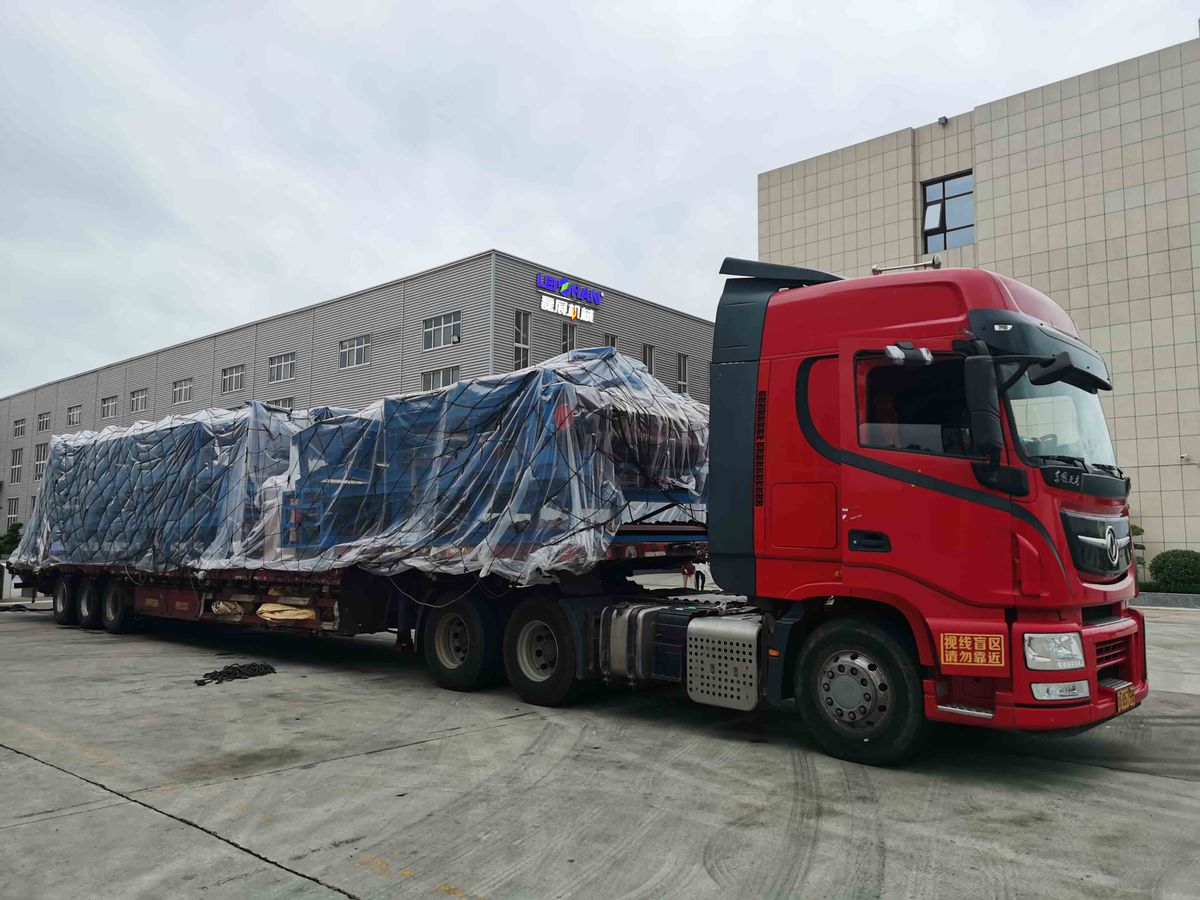
The Scania cabs that reach us tend to be tall, with large doors and generous vertical room below the window line. That room is useful — it means the company name can be set taller without crowding the glass.
What needs care is the front grille and bumper: that area carries a lot of recesses and air openings, so we avoid running anything important across it. If you want a front presence, a single logo centred on the upper panel usually reads cleaner than trying to wrap the whole face.
What We Usually See on a Volvo Cab
The Volvo cabs we work on tend to have a more curved side line and a deeper headlamp cut. The curve is attractive, but it means a horizontal band crossing the cab will rise or drop slightly at its ends unless it is planned for.
Our fix is simple: follow the vehicle's own lines rather than fighting them. A band that follows the original curve looks deliberate; a straight band colliding with a curve looks like an installation error, even when it was installed perfectly.
The same principle applies to every other model — Hino, Isuzu, Mitsubishi Fuso, UD. We keep no fixed template for any badge. We look at photos of your lorry first.
Three Body Types, Three Different Approaches
Box body
The easiest and the most rewarding. It is one large, nearly flat surface with repeating vertical ribs and horizontal seams in a few places. The ribs do not stop large graphics, but they destroy fine text — so we place text zones between ribs rather than across them. The rear doors should be treated as a separate canvas, because they split every time they open.
Curtain-side body
A fabric side means your surface moves, folds and is re-tensioned every time a load goes on. Fine graphics and thin lines do not survive visually here — what works is large shapes, saturated blocks of colour and heavy lettering. Fabric also needs print material suited to a flexible surface, not the same vinyl used on rigid panels.
Tipper and corrugated high-side bodies
Corrugated or deeply recessed panels mean the vinyl has to sit down into every valley. Photographic images end up looking striped; upright text ends up looking rippled. For these bodies we recommend only simple, large elements — company name, one shape, one number.
The Photos We Need Before Designing
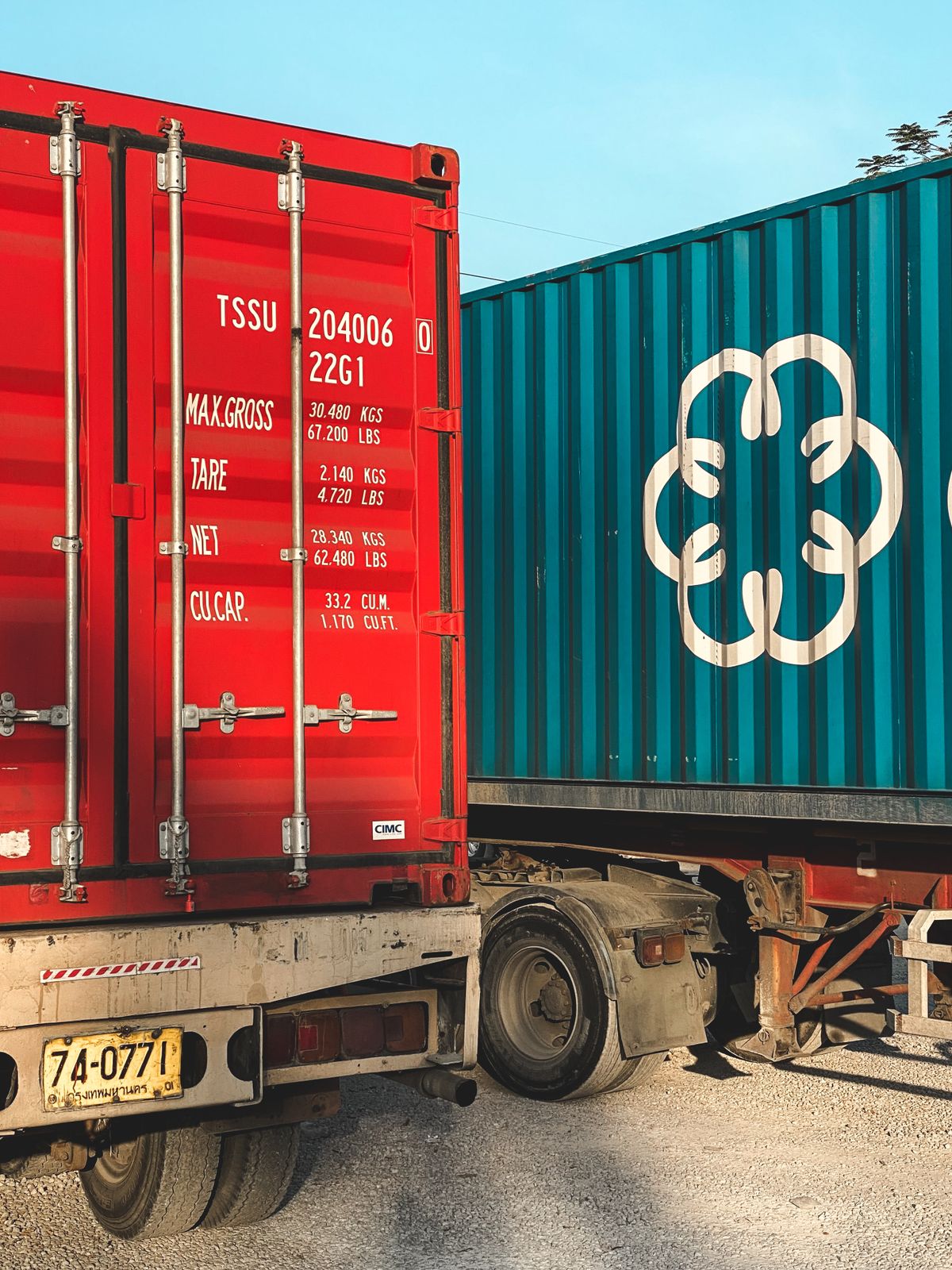
This is the step that saves the most time on both sides. Before we draw anything, we ask for:
- The full left and right sides, shot square-on rather than at an angle.
- The rear doors or tailgate.
- Both cab doors, close enough to show hinges and handles.
- Any obstruction: steps, rails, tool boxes, fuel caps, licence holders.
From these we know where the ribs fall and how much usable area actually exists. That is far more accurate than working from model specifications, because two lorries of the same model can carry completely different bodies.
If you are still weighing up a design direction before sending photos, start with our seven lorry sticker design directions that read at highway speed.
Material and Installation
We print in house on 3M and Avery cast vinyl — weatherproof, UV and rain resistant, with a vinyl life of 5 to 7 years. On recessed bodies and curved cabs, cast vinyl matters: it can be heated and formed without pulling back toward its original shape the way cheaper material does.
Every job includes a 2-year colour and material warranty and a 7-day installation workmanship guarantee. Design is done in house with 2 free revisions.
Installation happens at your own location — your depot, workshop or company yard — so your prime mover is off schedule no longer than it has to be.
Cost
Pakej Standard — a 1-tonne or 3-tonne lorry, single-side or partial coverage — starts at RM2,200.
Pakej Size XL — a 5-tonne lorry, a full wrap, or a fleet of five or more — starts at RM3,500.
Prime movers and trailer combinations vary a lot in surface area, so send photos for an accurate quote. Package details are in our packages section, and you can compare coverage levels with the wrap coverage picker. We work Malaysia-wide, including lorry stickers in Kuala Lumpur and lorry stickers in Port Klang.
Get a Quote
Send us side photos of your lorry and tell us the model and body type. We will come back with a layout suggestion and a price. Quotes are free. 💬
Closing
There is no ready-made "Scania design" or "Volvo design". There is a cab of a particular shape, joined to a body of a particular type, and artwork laid out around both.
Tell us your model and body type, send four photos, and we will show you a layout that accounts for every rib and seam on that vehicle — not on somebody else's.
Frequently Asked Questions
Are you officially connected to Scania or Volvo?
No. We are a vehicle sticker design, printing and installation shop. Those model names appear here purely because our customers drive those lorries.
Does a prime mover cost more than a 3-tonne lorry?
Price follows surface area and the coverage you choose, not the badge. A cab-only prime mover job can be smaller than a full 3-tonne body. Send photos and we will work it out precisely.
Can stickers go onto a curtain-side body?
Yes, but it is a different job from rigid panels and uses material suited to fabric. Tell us early that your body is curtain-side so we propose a suitable design from the start.
If I change the trailer, does the design have to be redone?
If the cab stays and only the trailer changes, usually only the trailer portion needs reprinting. The original design files are kept, so we do not start from zero.
How long does installation on a prime mover take?
It depends on the coverage chosen and the condition of the surface. We give you a time estimate together with the quote, once we have seen photos of your lorry.