Car Wrap vs Lorry Wrap Prices — Why the Cost Differs
Plenty of people start by searching what a car wrap costs even when the vehicle they actually want wrapped is a van or a lorry. This explains what you are paying for in any wrap job, and why the number climbs when the vehicle is a lorry.

What you actually pay for in a wrap job — and why vehicle size changes everything
Contents
Why Everyone Searches For "Car Wrap Price"
If you have typed "harga wrap kereta" into Google, you are far from alone. It is one of the most common vehicle-wrap searches in Malaysia — and interestingly, plenty of the people searching it do not actually want a car wrapped. 🚚
The reason is simple. "Car wrap" is how Malaysians phrase the general idea, even when the vehicle sitting outside is a delivery van or a 3-tonne lorry. You want to know what it costs to cover a vehicle in vinyl. The word "car" is just the way in.
So this article answers the real question: what sets the cost of a wrap job, and how much does it change when the vehicle goes from a car to a van to a lorry.
To be clear from the start so you do not waste time: LoriCantik does lorry work — stickers, wraps and branding for commercial vehicles. We are not a car wrap shop. The car sections below are here to help you understand cost, not to sell you anything.
The Five Components Of Any Wrap Price
Whatever the vehicle, a wrap quote is built from the same five things. Understand all five and you can judge any price you are given.
1. Surface area to be covered
Vinyl is bought by the metre. This underpins everything else — the bigger the vehicle, the more material.
2. Material grade
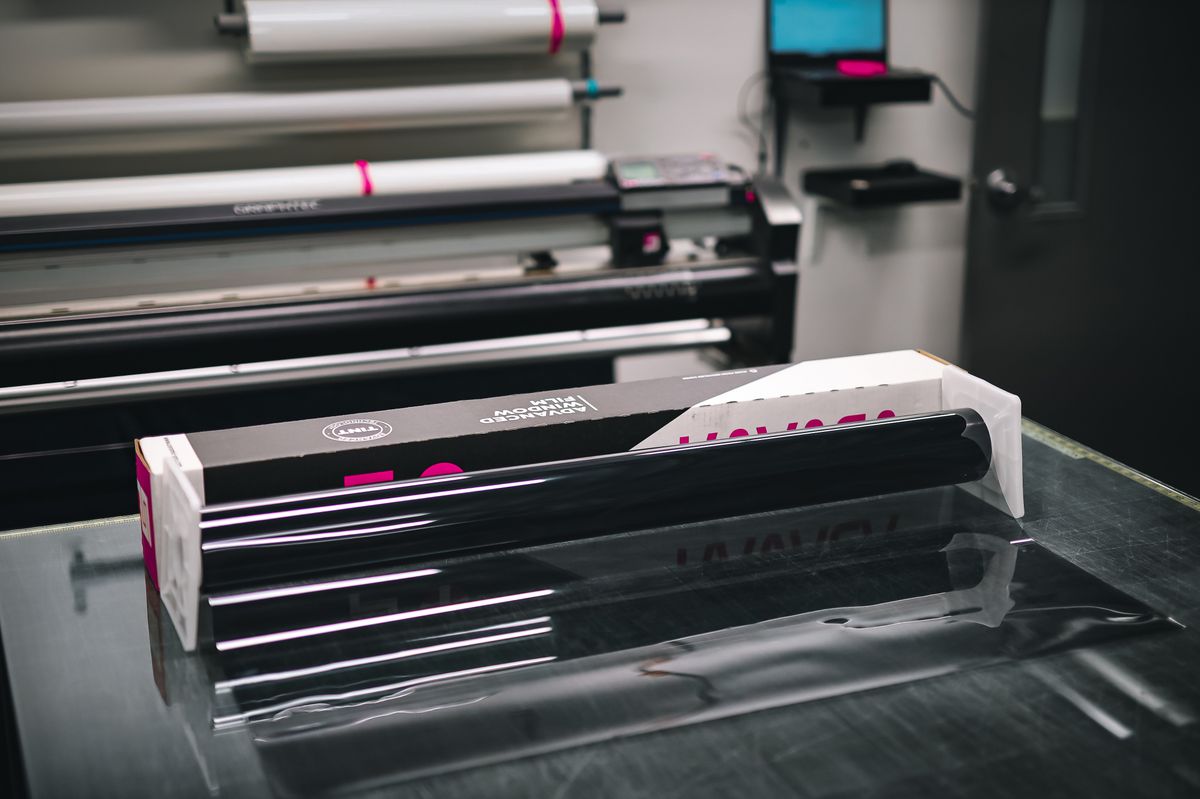
Cast versus calendered vinyl is the most commonly hidden price difference. Cast vinyl is more dimensionally stable and does not shrink under repeated heat; calendered vinyl is cheaper and tends to lift at the edges.
3. Design work
If you arrive with finished artwork files, this is a layout job. If you start with a small logo off a name card, it is full design work.
4. Installation time
This is the labour cost, and it tracks the vehicle's shape as much as its size.
5. What is guaranteed
A quote with no warranty and a quote with a two-year material warranty are not the same product, even when the numbers look close.
Car, Van, Lorry — What Changes
Car
The smallest surface of the three, but the most curved. Bumpers, mirrors, roof curvature and door edges all need careful hand-forming. A car is not an easy job — it is a small, fiddly one.
Van
Larger and much flatter side panels than a car. This is why delivery vans are such popular branding vehicles — you get a big advertising surface without a car's curvature problems.
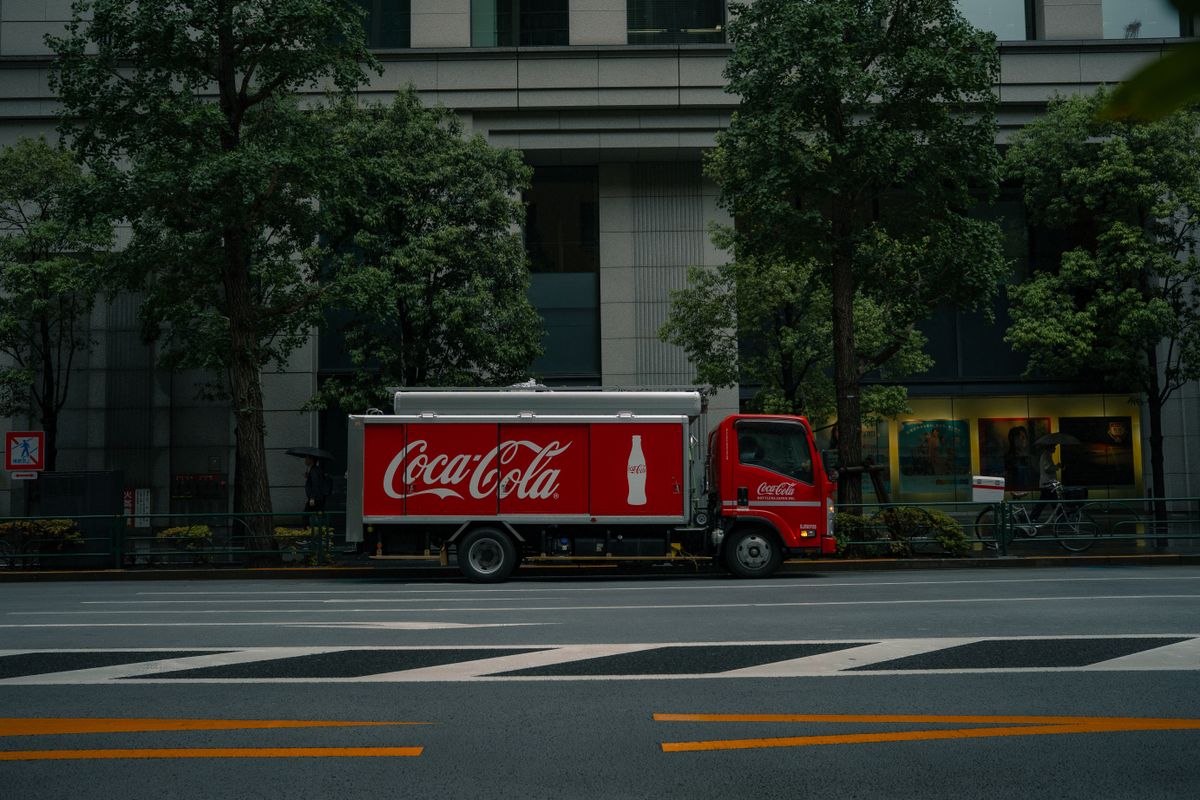
Lorry
The largest surface, the flattest, and the tallest. A lorry body offers far more design space than a car or a van, which is why material cost climbs — while the cost per square metre actually becomes more efficient.
If you want to see the difference between partial coverage and a full wrap on a lorry, the wrap picker on the homepage shows it visually.
Why A Lorry Costs More Than A Car
This is the question that comes up most once someone compares a car quote with a lorry quote. There are four reasons, and all of them are real.
Surface area
The obvious one. A 5-tonne lorry body has several times the surface area of a sedan. Vinyl is sold by the metre, so this goes straight into the price.
Body ribs, rivets and corrugated panels
Cars have smooth surfaces. Many lorry bodies do not — they have vertical ribs, rivet heads and corrugated panels. Vinyl has to be heat-formed down into every one of those recesses, not just stretched across them. That work is slow, and it is the main reason low-grade vinyl fails on lorries while it survives on cars.
Working height
Lorry bodies are tall. Work at that height needs ladders or a platform, and every trip up and down costs time. A car can be wrapped standing on the floor.
Working time and crew size
Large panels cannot be laid by one person without creases and bubbles. Lorry work typically needs two installers working the same panel at once. That is not a style preference — it is a technical requirement for a clean finish.
The good news for lorry owners: even though the total is higher, the cost per square metre is usually lower on a lorry than on a car, because flat surfaces cover ground faster per metre.
Why We Do Not Publish Car Wrap Prices
You may have noticed there is no car price table above. That is not an oversight.
We do not do car wraps, so we have no real prices to publish. We could invent a convincing-looking range, you would take that number to a car wrap shop, and you would find it did not hold. That helps nobody.
What we can tell you honestly is that car wrap prices in Malaysia vary widely between shops, and that variation almost always comes from the five components above — especially material grade and whether lamination is included. When two car quotes differ sharply, the answer is in that list, not in how well you negotiate.
Lorry Wrap Prices — The Figures We Do Publish
For lorries we can give real numbers, because this is what we do every day:
Pakej Standard — from RM2,200
1-tonne or 3-tonne lorry, single side or partial. Normally RM3,500.
Pakej Size XL — from RM3,500
5-tonne lorry wrapped bumper to bumper, or a fleet of five or more.
Both include
- In-house design with two free revisions.
- In-house printing on 3M or Avery cast vinyl.
- Installation at your own location — the lorry does not travel.
- Weatherproof, UV and rain resistant.
- Vinyl life of 5 to 7 years.
- 2-year colour and material warranty.
- 7-day installation workmanship guarantee.
Full details of each package are in the lorry sticker packages section. We cover the whole of Malaysia, including lorry stickers in Kuala Lumpur.
How To Read Any Wrap Quote
Whether it is for a car, a van or a lorry, ask these five questions before comparing numbers:
- Which vinyl, what brand and grade? Cast or calendered?
- Is lamination included? Without it, the print is exposed directly to UV and scratching.
- Exactly how much coverage? One side, both sides, rear doors and bumper included?
- How many design revisions are included?
- What is guaranteed, and for how long? Material warranty and workmanship guarantee are separate things.
A cheaper quote without clear answers to those five is not a better offer — it is a different offer.
Get A Quote
If your vehicle is a lorry or a commercial van, send us photos with the tonnage and the coverage you want. We reply with a price and a design suggestion — quotes are free. 💬
Conclusion
A vehicle wrap price is not one number — it is the same five components on every vehicle, multiplied by that vehicle's size and shape. Cars are small but curved. Vans are bigger and flatter. Lorries are the biggest, the flattest and the tallest — the total is higher, but each square metre is actually more efficient.
If your vehicle is a car, use the five questions above while shopping around and you will get a fair comparison. If it is a lorry or a commercial van, that is exactly our work — and our prices are published openly.
FAQ
Does LoriCantik wrap private cars?
No. Our work is commercial vehicles — lorries and company vans. This article exists to answer the cost question, not to offer a car service.
Why is a lorry wrap quote higher than a car wrap quote?
Four reasons: greater surface area, body ribs and rivets that need heat-forming, work at height, and the need for two installers on large panels.
Is a lorry wrap more expensive per square metre?
Usually not. The total is higher because the surface is bigger, but a lorry's flat panels cover ground faster per metre than a car's curves.
How long does vinyl last in Malaysian conditions?
The cast vinyl we use has a 5 to 7 year life, with a 2-year colour and material warranty. Cheap calendered vinyl is usually far shorter.
I only have one van, not a fleet. Is that fine?
Yes. Commercial vans are normal work for us. Send photos and we will price it against the coverage you choose.